
In an era where digital screens dominate our daily lives, the question of whether pornography consumption can trigger or exacerbate anxiety is more relevant than ever. With easy access via smartphones and the internet, porn has become a staple for many - yet emerging research paints a troubling picture of its psychological toll. Just as endless TikTok and Instagram scrolls can spiral into a cycle of comparison and FOMO (fear of missing out), excessive porn use may fuel similar loops of shame, compulsion, and heightened stress. This article dives into the latest studies from 2023 to 2025, highlighting how porn's grip on the brain mirrors the addictive pull of short-video apps, potentially leaving users more anxious than ever.
The Surge of Digital Habits: Porn and Doom Scrolling in the Spotlight

Pornography consumption has exploded alongside the internet's growth. A 2023 narrative review notes that the rise in online availability - coupled with anonymity - has spiked usage, especially among men, turning it into a multi-billion-dollar industry projected to exceed $1 billion in the U.S. by 2023. Likewise, doom scrolling on short‑video platforms like TikTok and Instagram has surged: global monthly active users surpassed 1 billion by 2022 and average daily time doubled to 55.8 minutes by 2023. Both habits thrive on dopamine hits: quick, rewarding content that keeps users hooked.

But here's the kicker - these habits aren't benign. Recent data shows problematic use of either can erode mental health, with anxiety often at the forefront. A 2025 longitudinal study of over 4,300 U.S. adults found problematic pornography use (PPU) to be stable over a year and deeply intertwined with anxiety and depression, not as a fleeting escape but as a reinforcing trap. Echoing this, a 2023 meta-analysis linked frequent doom scrolling on short‑video feeds (TikTok, Instagram) to elevated anxiety and depression symptoms, particularly in those under 24. The parallels? Both exploit our brain's reward system, leading to compulsive behaviors that amplify stress rather than soothe it.
| Study Year | Key Finding on Porn and Anxiety | Sample Size | Source |
|---|---|---|---|
| 2023 | PPU linked to higher anxiety via impaired control | Systematic review (multiple studies) | tandfonline.com |
| 2024 | Anxiety predicts more porn use; bidirectional effect | 1,864 young adults | link.springer.com |
| 2025 | Stable PPU over 1 year tied to persistent anxiety | 4,300+ U.S. adults | sciencenewstoday.org |
| 2025 | Brain changes in porn addicts mimic anxiety patterns | fNIRS study | pmc.ncbi.nlm.nih.gov |
Why We’re Open About Downsides
We are transparent because honesty helps. Porn can have negative effects, and we say that openly, but we don’t judge or prescribe one right way for everyone. Like not forcing every person to eat salad instead of McDonald’s, context matters. After a difficult breakup, someone might want intimacy without commitment; for some, porn can feel like a low‑risk way to meet that need and avoid further rejection. Our goal is to share research, offer options, and provide tools so you can make informed choices that fit your situation.
How Porn Fuels Anxiety: Insights from Cutting-Edge Research

The latest studies don't mince words: porn isn't just entertainment; for many, it's an anxiety amplifier. A 2023 systematic review of PPU and mental health revealed that individuals with impaired control over porn use exhibit significantly higher anxiety levels, alongside depression and sexual compulsivity. This isn't correlation - it's a bidirectional cycle. A 2024 prospective study of 1,864 young adults in California showed that baseline anxiety and depression symptoms predicted increased porn viewing frequency over time, while heavy use looped back to worsen emotional distress.

Brain science backs this up. This is how porn affects the brain: repeated high-salience stimuli condition reward pathways while weakening top-down control in stress-response circuits, priming anxiety when the stimulus is absent. A 2025 functional near-infrared spectroscopy (fNIRS) study on internet porn addiction detected altered connectivity in stress-response areas like the dorsolateral prefrontal cortex, mirroring patterns seen in anxiety disorders. Users reported short-term relief - porn as a "defense mechanism" against stress - but long-term fallout included emotional dysregulation and guilt. In a 2024 Italian study of 332 young adults, PPU correlated with higher anxiety, stress, and even suicidality, especially among men.
Younger users are hit hardest. A 2025 U.S. sample found college students with compulsive porn habits scoring higher on anxiety scales, with 17-20% reporting severe symptoms. And it's not just volume; content matters. Soft porn links to performance anxiety and body dissatisfaction, while aggressive types correlate with relational strain - both anxiety triggers.
Doom Scrolling's Anxiety Spiral: A Strikingly Similar Story
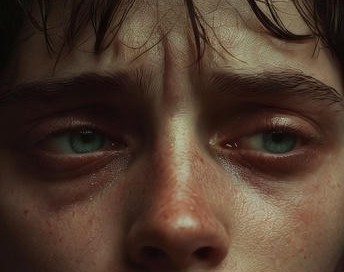
If porn's a hidden habit, doom scrolling on short‑video platforms (TikTok, Instagram) is public and relentless. A 2023 systematic review of 26 studies (11,462 participants) pegged short‑video prevalence at ~80%, with addictive use driving up anxiety and depression - especially in 18-29-year-olds. Problematic short‑video use mediates links between boredom, distress intolerance, and social anxiety, per a 2023 study.

Adolescents are prime targets. In a 2023 Greek cross-sectional study, heavy short‑video users showed elevated anxiety, depression, and sleepiness. A 2024 meta-analysis confirmed a strong positive association (β=0.406) between problematic short‑video use and anxiety across four studies. Baylor's 2023 research on TikTok and Instagram found "telepresence" - that immersive flow state - boosting addiction, mind-wandering, FOMO, and anxiety.
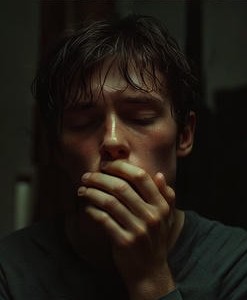
Like porn, doom scrolling (TikTok, Instagram) offers escape but breeds isolation. A 2025 study of Bangladeshi youth tied excessive scrolling to social comparison and cyberbullying, spiking anxiety akin to porn-induced shame. Algorithms personalize content to maximize engagement, trapping users in echo chambers of idealized bodies (porn) or lives (short‑video feeds), eroding self-esteem and ramping up worry.
| Study Year | Key Finding on Doom Scrolling and Anxiety | Sample Size | Source |
|---|---|---|---|
| 2023 | PTU mediates boredom/distress to social anxiety | Multiple (meta) | sciencedirect.com |
| 2023 | Addictive use worsens anxiety, stress in youth | 1,346 adolescents | sciencedirect.com |
| 2024 | Strong link (β=0.406) between PTU and anxiety | Meta-analysis (4 studies) | pmc.ncbi.nlm.nih.gov |
| 2025 | Excessive use correlates with anxiety in college students | 260 students | egrove.olemiss.edu |
The Shared Mechanisms: Why These Habits Hit Anxiety So Hard

Porn and doom scrolling aren't villains in isolation - they weaponize the same psychological vulnerabilities. Both trigger dopamine surges for instant gratification, but overuse desensitizes the brain, demanding more to feel "normal." This leads to withdrawal-like anxiety when offline. Social comparison amplifies it: porn's unrealistic standards breed performance fears, while short‑video highlight reels foster inadequacy.

Compulsion seals the deal. A 2025 review equated PPU's stability to short‑video "flow" addiction, both predicting loneliness and intimacy fears. Gender plays a role too - men report more PPU-related anxiety, women more short‑video-driven body anxiety - but the outcome is shared: a 2023 Chinese study of 2,938 students found porn motives prioritizing over anxiety symptoms, much like doom scrolling's escapism.
Breaking the Cycle: Steps Toward Relief

The good news? Awareness is the first step. Therapy shines here - a 2025 meta-analysis showed cognitive-behavioral therapy (CBT) and acceptance-commitment therapy (ACT) slashing PPU symptoms and anxiety by addressing root compulsions. For doom scrolling, time limits and parental mediation on short‑video apps curb addictive patterns.

Practical tips:
- Track and limit: Use apps to cap daily porn or TikTok time - start at 30 minutes.
- Reframe triggers: Journal anxiety cues; replace scrolls with walks or calls.
- Seek community: Support groups normalize struggles, reducing shame.
- Professional help: If anxiety persists, therapists specializing in behavioral addictions can unpack the loop.
Final Thoughts: Time to Scroll Smarter

Yes, porn can cause - or worsen - anxiety, much like doom scrolling's siren call on TikTok and Instagram. Both ensnare us in addictive, comparison-fueled cycles that erode well-being, as 2023-2025 research consistently shows. But they're not inevitable. By recognizing these parallels, we empower ourselves to reclaim control, fostering healthier digital habits that nurture rather than needle our mental health. If you're feeling the weight, remember: logging off isn't weakness - it's wisdom.

You must be logged in to comment. Log in here